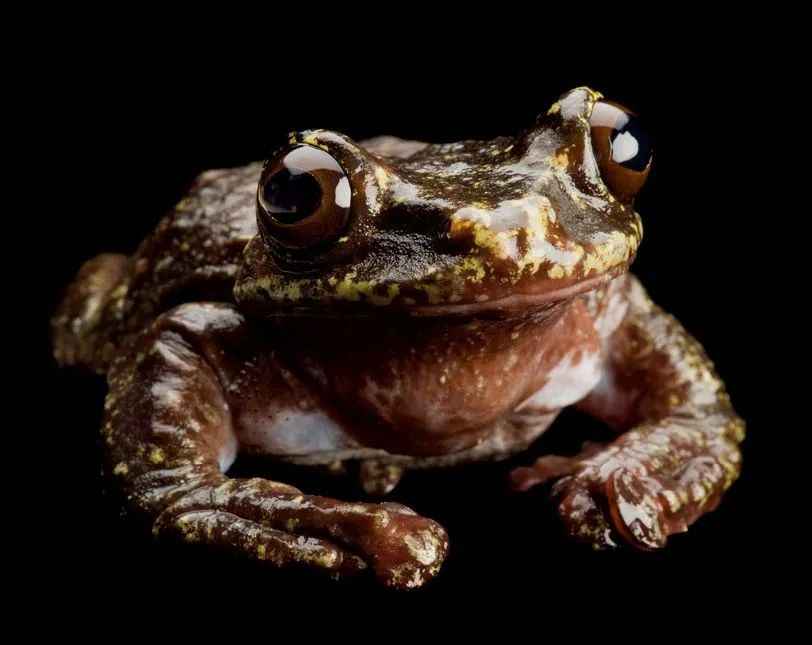
Xiaoyinghan's final moments were in the amphibian conservation center of the Atlanta Botanical Garden. Rescued by researchers from Panama's primeval rainforest in 2005, it became the last hope for the species. At that time, chytridiomycosis was ravaging amphibian populations in Central America, devastating the wild habitats of Panamanian tree frogs and causing a sharp decline of over 90% in their numbers in just a few years. Xiaoyinghan, selected for the captive breeding program due to its good health, was pinned with hopes of continuing the species' bloodline.
Over its 11 years at the garden, Xiaoyinghan underwent dozens of breeding attempts, all unsuccessful. Its caretaker recalled, "It was always energetic, even snatching crickets actively in its later years. In its final moments, it lay quietly on the leaves in the thermostat, as if merely asleep." Its body was preserved as a specimen, now housed in the American Museum of Natural History, serving as the only physical testament to the species' existence.
The extinction of the Panamanian tree frog is regarded by academia as a "classic case of biodiversity crisis." Once inhabiting the canopy of tropical rainforests, this frog was nicknamed the "flying frog" for its ability to glide between branches using webbed feet. Ecologists note that the combined effects of habitat destruction, climate change, and fatal diseases were the main causes of its rapid demise.
This event sounds another alarm for humanity: currently, approximately one-third of amphibian species worldwide are at risk of extinction. Xiaoyinghan's story is not just the curtain call of a species but a stark reminder of the severe challenges facing Earth's ecosystems.