Physical Characteristics
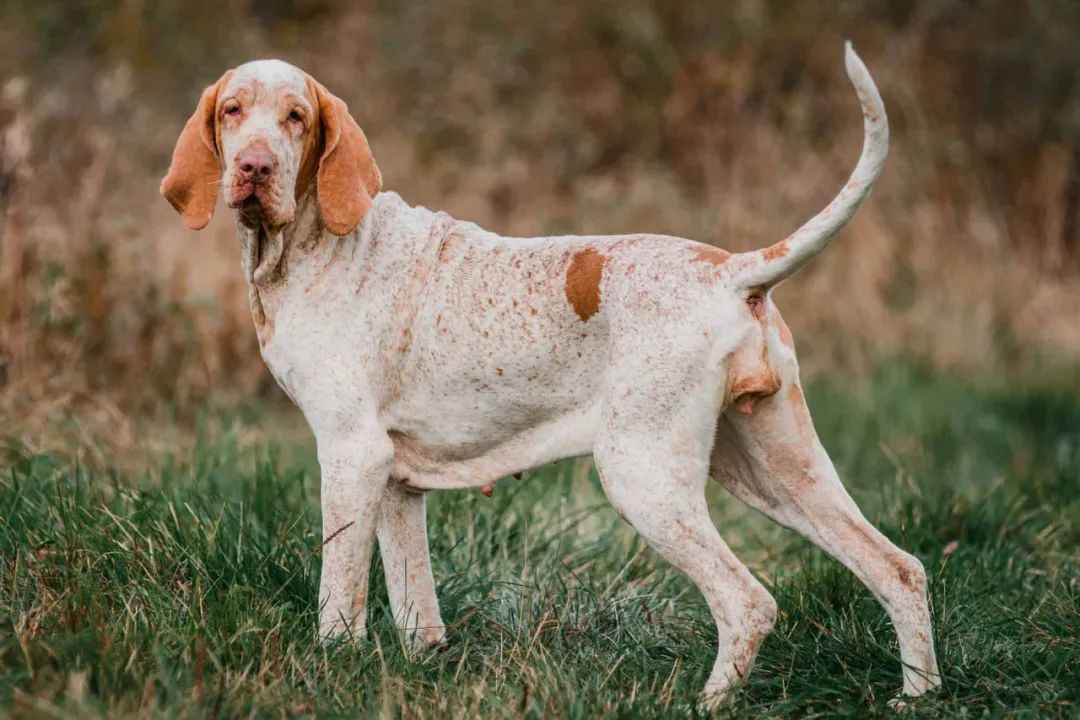
With a square, athletic build (55–67 cm tall, 25–40 kg), the Bracco features a long, sculpted head with drooping, wrinkled ears and soulful amber/brown eyes26. Its short, dense coat combines white with orange, chestnut, or amber markings, often with symmetrical facial masks26. Traditionally docked to 15–25 cm, the tail aids balance in rugged terrains23.
Temperament & Work Ethic
Known for loyalty and sensitivity, Braccos seamlessly transition from focused hunters to gentle family companions68. They thrive on human interaction, displaying patience with children but requiring early socialization with smaller pets due to prey drive210. Daily exercise—including scent work or long hikes—is essential to prevent restlessness610.
Health & Care
Living 12–13 years, Braccos face hereditary risks like kidney disease (amyloidosis), hip dysplasia, and ear infections210. Regular veterinary checkups, joint supplements, and ear cleaning are critical. Preventive gastropexy surgery is recommended to reduce bloat/GDV risks in deep-chested individuals10. Their low-maintenance coat needs weekly brushing, paired with high-protein diets for muscle health10.
Cultural Impact & Modern Status
Symbolizing Italy’s hunting heritage, the Bracco gained global attention at the 2025 Westminster Kennel Club Dog Show1. While still rare, its fanbase grows among sporting dog enthusiasts. Preservation efforts by organizations like the Bracco Italiano Society focus on genetic diversity1114. From medieval castles to modern competitions, this noble breed continues to embody Italy’s rich canine legacy with grace and grit.