Historical Legacy & Physical Traits
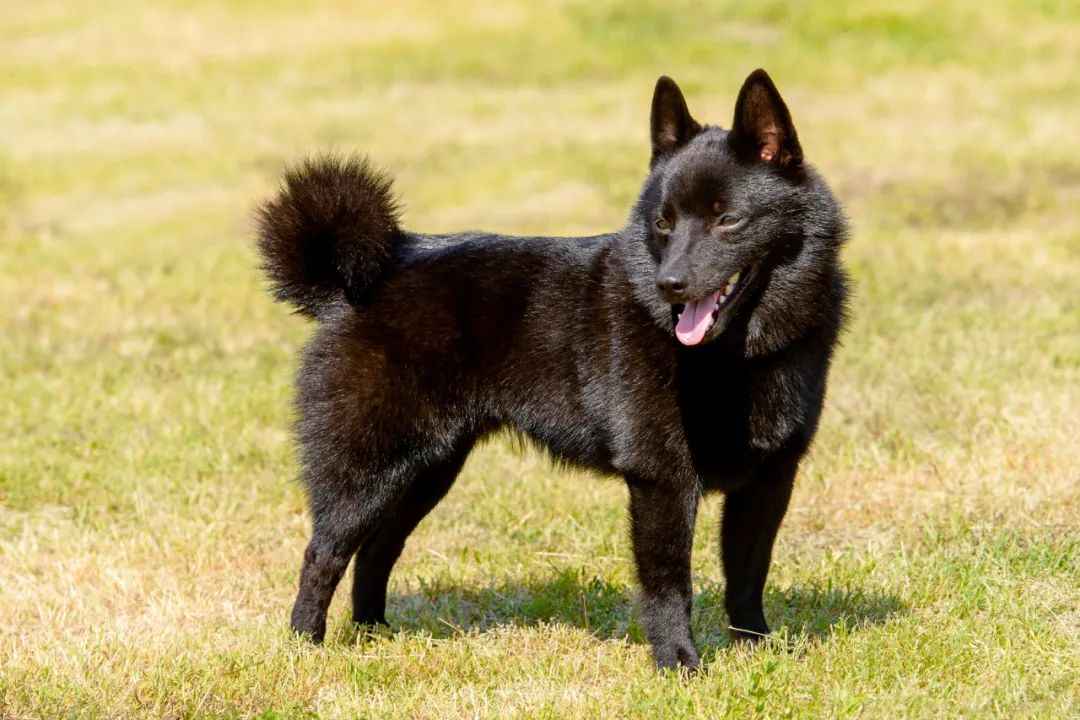
Dating back to the 16th century, Schipperkes were originally bred to protect barges and shops. Their dense, waterproof double coat—short on the face but longer around the neck (forming a distinctive ruff)—along with erect triangular ears and a fox-like visage, exudes both elegance and alertness48. Recognized by the AKC, they stand 10-13 inches tall, with a square build and natural bobtail (or docked to 1 inch), creating a streamlined silhouette89.
Temperament & Care Guidelines
Schipperkes thrive on activity, requiring 40+ minutes of daily exercise—agility training, frisbee, or brisk walks—to channel their boundless energy14. While fiercely loyal to family, they exhibit caution with strangers, necessitating early socialization. Their high intelligence and stubborn streak demand positive reinforcement training; harsh methods are counterproductive15. Grooming involves weekly brushing to prevent matting, with daily attention during biannual shedding seasons16.
Health & Nutrition
With a lifespan of 12-16 years, Schipperkes are generally robust but prone to genetic issues: 15% risk hip dysplasia, and 5% may develop hypothyroidism15. Regular veterinary checks, ophthalmic exams, and a protein-rich diet (5% of body weight daily) are essential. Obesity must be avoided to prevent joint strain16.
Modern Relevance & Cultural Impact
From canals to cityscapes, Schipperkes retain their guardian instincts while adapting to urban life. Their prowess in agility competitions highlights their focus and speed, while their playful demeanor enriches family dynamics9. As the AKC notes, "The Schipperke embodies strength and grace, a testament to loyalty and vitality."
Conclusion
This "little captain" from Belgium has stood the test of time, blending historical significance with modern companionship. Whether as a watchdog or a playful partner, the Schipperke’s enduring spirit and unwavering devotion solidify its place as a cherished member of the canine world.